Before the Hit: Why Brain Nutrition Matters For Athletes, Long Before a Concussion Occurs
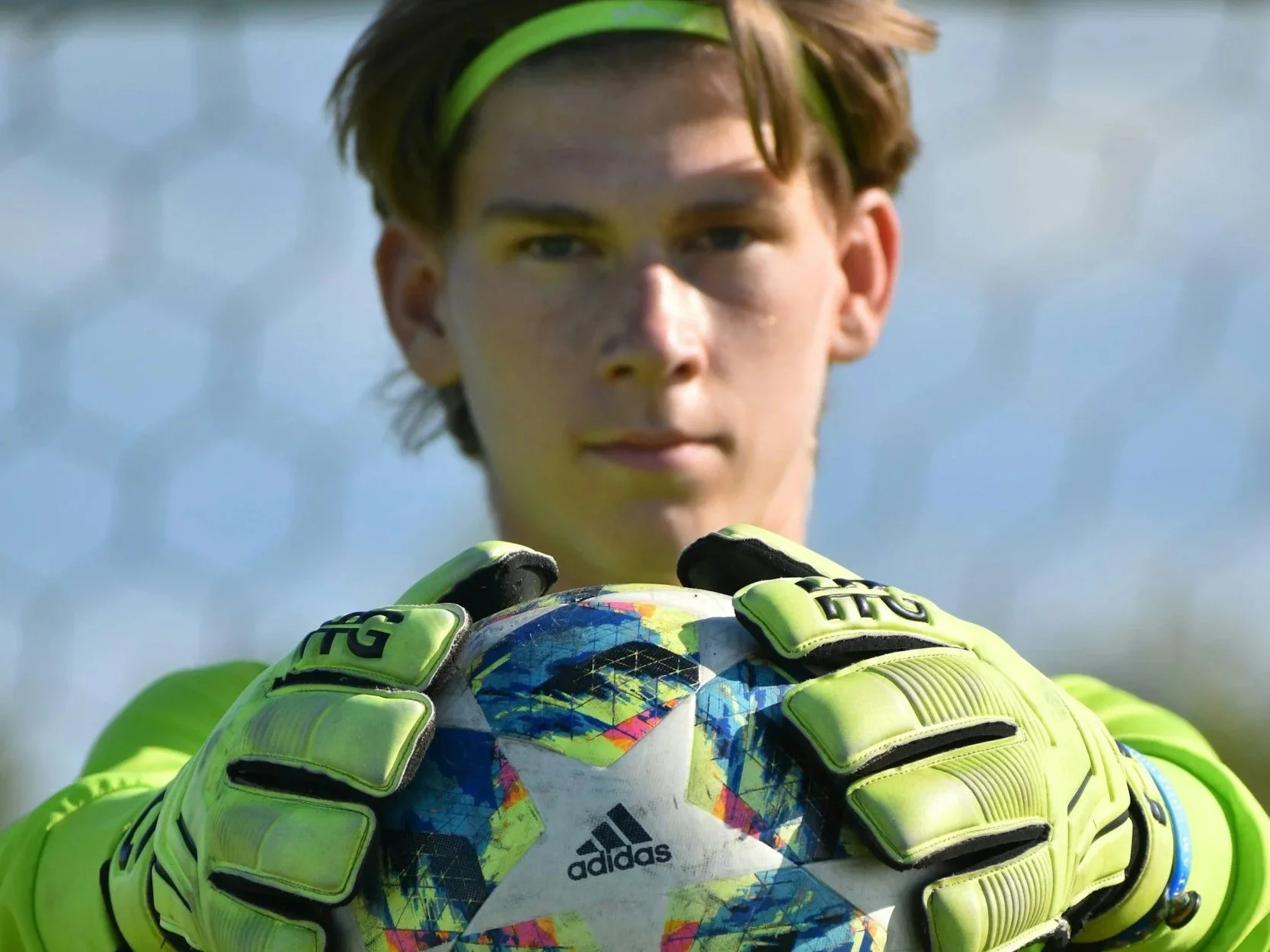
Concussion and other sport-related head injuries are among the most prevalent injuries across athletic populations of all ages and skill levels. In the United States alone, an estimated 3.8 million concussions occur annually in sport and recreational activities, though many go unrecognized or unreported, suggesting the true incidence is likely higher. (1) Rates are greatest in collision and contact sports such as football, soccer, ice hockey, rugby, and equestrian disciplines. Self-reported data in a 2017 study indicated that among high school students, approximately 2.5 million experienced a sports-related concussion in the preceding 12 months, while 1 million reported 2 or more. (2)
These injuries can result in a wide range of acute symptoms, including headache, light sensitivity, dizziness, nausea, cognitive disturbance, and mood changes. In some athletes, particularly those with repeated exposures, concussion may also contribute to long-term neurocognitive and psychological changes.
Did You Know?
90% of concussions do not involve loss of consciousness. (1)
Research shows that one in five children will sustain a TBI before the age of 16 years old and 13% continue to have post-concussive symptoms for 3 months or longer. (3)
In studies of mild traumatic brain injury or concussion in college athletes, major depression has been observed in roughly 15 % of individuals, and in more severe TBI, the incidence of depression increases to about 30%. (4)
Support Works Best Before the Impact
The rationale for prophylactic nutritional support is based on how rapidly a concussion injury occurs. A concussion is not primarily a “bruise” to the brain, but a rapid acceleration–deceleration injury. When the head experiences sudden linear or rotational force, the brain shifts within the skull, disrupting neuronal membranes and stretching axons. This mechanical stress triggers what is known as the neurometabolic cascade.
This cascade begins within milliseconds of impact. Ion channels open abnormally, allowing potassium to rush out of neurons and calcium to flood in. Glutamate is released excessively, driving excitotoxic signaling. At the same time, neurons dramatically increase their demand for energy in an effort to restore balance, yet cerebral blood flow transiently decreases. The result is an acute metabolic crisis driven by a mismatch between energy demand and energy supply. Once initiated, this primary injury process cannot be reversed. (5)
Because of this timing, nutritional strategies implemented after a concussion can only influence secondary injury processes, such as neuroinflammation, oxidative stress, mitochondrial dysfunction, and impaired membrane repair. Prophylactic nutritional interventions seek to optimize the brain’s biological resilience before injury occurs, so that neural tissue is better equipped to withstand and respond to mechanical stress.
From a functional standpoint, this means supporting athletes so they enter high-risk environments with:
Healthy membrane integrity, supported by omega-3 fatty acids and phospholipids (6)
Robust mitochondrial capacity, supported by nutrients involved in energy production and redox balance
Sufficient antioxidant buffering to neutralize reactive oxygen species generated immediately after impact
Neuroprotective phytochemicals such as polyphenols, which have been shown to modulate oxidative stress, neuroinflammation, and pathways involved in secondary injury after TBI, potentially supporting neuronal resilience and recovery when present at the time of impact. (7)
Balanced mineral and neurotransmitter regulation, particularly magnesium, which modulates NMDA receptor activity and calcium influx
Prophylactic nutritional support may help reduce the magnitude of excitotoxic damage, support faster restoration of ionic balance, buffer oxidative stress during the acute energy crisis, and potentially shorten recovery trajectories by limiting downstream injury cascades. While nutrition is not a substitute for appropriate equipment, rule enforcement, or medical care, it represents a low-risk, and increasingly evidence-supported adjunct, particularly for athletes who knowingly enter high-impact environments. (7)
It is also important to emphasize that nutrition remains a powerful tool even after a concussion has occurred and can be an important tool for treating post-concussive symptoms. While prophylactic strategies aim to build resilience before injury, post-concussion nutrition can meaningfully support recovery by influencing the secondary injury processes that unfold over days to weeks. Targeted nutritional support may help modulate neuroinflammation, reduce oxidative stress, support mitochondrial energy production, and provide building blocks for neuronal membrane repair and neurotransmitter balance. (8) This means that although nutrition cannot reverse the initial mechanical injury, it can still play a critical role in shaping the brain’s healing environment, symptom burden, and recovery trajectory.
© 2026 Ellie Whitenack, MS, Integrative Nutrition, LLC. All rights reserved.
This content is for educational purposes only and is not intended to diagnose, treat, or replace medical care.
Hallock H, Mantwill M, Vajkoczy P, et al. Sport-Related Concussion: A Cognitive Perspective. Neurol Clin Pract. 2023;13(2):e200123. doi:10.1212/CPJ.0000000000200123
DePadilla L, Miller GF, Jones SE, Peterson AB, Breiding MJ. Self-Reported Concussions from Playing a Sport or Being Physically Active Among High School Students - United States, 2017. MMWR Morb Mortal Wkly Rep. 2018;67(24):682-685. Published 2018 Jun 22. doi:10.15585/mmwr.mm6724a3
Barlow KM, Marcil LD, Dewey D, et al. Cerebral Perfusion Changes in Post-Concussion Syndrome: A Prospective Controlled Cohort Study. J Neurotrauma. 2017;34(5):996-1004. doi:10.1089/neu.2016.4634
Vargas G, Rabinowitz A, Meyer J, Arnett PA. Predictors and prevalence of postconcussion depression symptoms in collegiate athletes. J Athl Train. 2015;50(3):250-255. doi:10.4085/1062-6050-50.3.02
Howell DR, Southard J. The Molecular Pathophysiology of Concussion. Clin Sports Med. 2021;40(1):39-51. doi:10.1016/j.csm.2020.08.001
Heileson JL, Macartney MJ, Watson NL, et al. Nutritional Optimization for Brain Health in Contact Sports: A Systematic Review and Meta-Analysis on Long-Chain ω-3 Fatty Acids and Neurofilament Light. Curr Dev Nutr. 2024;8(10):104454. Published 2024 Sep 3. doi:10.1016/j.cdnut.2024.104454
Conti F, McCue JJ, DiTuro P, Galpin AJ, Wood TR. Mitigating Traumatic Brain Injury: A Narrative Review of Supplementation and Dietary Protocols. Nutrients. 2024;16(15):2430. Published 2024 Jul 26. doi:10.3390/nu16152430
Finnegan E, Daly E, Pearce AJ, Ryan L. Nutritional interventions to support acute mTBI recovery. Front Nutr. 2022;9:977728. Published 2022 Oct 14. doi:10.3389/fnut.2022.977728